
You’ve finally landed an interview for your dream job—congratulations! 🎉 But now comes the big question: how to prepare for an interview so you can impress the panel and actually get that offer? Many people focus only on updating their resumes, but real interview preparation goes far beyond that. It’s about knowing the company, understanding the role, and presenting your best self with confidence.
Whether you’re a fresher or a professional preparing for a job interview, the secret is simple: plan, practice, and perform. In this guide, we’ll walk through everything you need to shine—how to research the company, how to introduce yourself confidently, how to answer tricky interview questions, and how to leave a lasting impression. By the end, you’ll feel prepared, calm, and ready to walk into that interview room like you already belong there.
💡 Improve your interview skills and English fast?
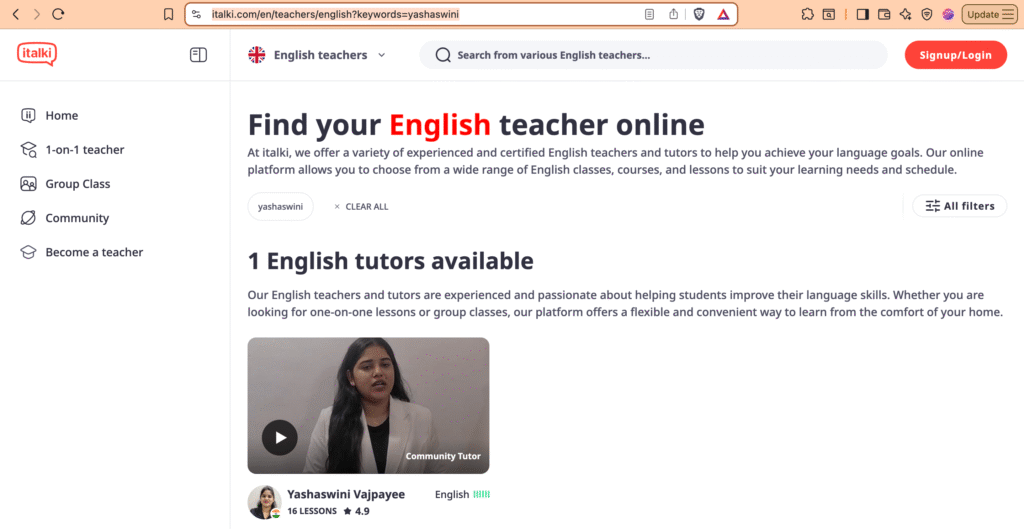
After registering, search “Yashaswini” under the English teachers filter to find her profile and book your first session.
Understanding the Interview Process
Before you start preparing answers and introductions, it helps to first understand what really happens in an interview. The job interview process isn’t just about testing your knowledge — it’s about seeing if you’re the right fit for the company, both in skills and attitude. Think of it as a two-way conversation, not an interrogation. You’re learning about them just as much as they’re learning about you.
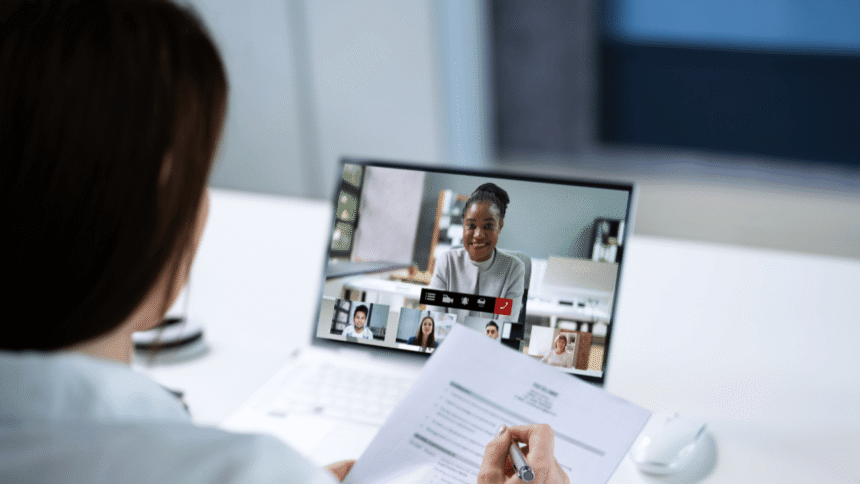
There are different types of interviews you might face — an HR interview to check your personality and communication, a technical interview to test your job-specific skills, a panel interview with multiple interviewers, or even a video interview for remote roles. Each one needs slightly different interview preparation, but the goal remains the same: to show confidence, clarity, and curiosity. When you understand what happens in an interview, you can prepare smarter and perform better.
How to Prepare Before the Interview
Now that you understand the basics, let’s talk about the real work — how to prepare for an interview effectively. Good interview preparation doesn’t happen overnight; it’s all about thoughtful planning and practice. Here’s a step-by-step guide to help you feel fully confident before the big day.
(a) Research the Company
This is the foundation of effective interview preparation. Start by learning about the company’s mission, work culture, and key products or services. Visit their website, check their social media, and read recent news or achievements. When you understand what drives the company, it becomes easier to connect your skills with their goals. This shows the interviewer that you’re genuinely interested — not just looking for any job.
(b) Study the Job Description
Every role is different, so read the job description carefully. Highlight the required skills, qualifications, and responsibilities. Then, match them with your own experience and achievements. Prepare two or three examples that clearly prove you have what they’re looking for. This targeted approach is what separates great candidates from good ones when preparing for a job interview.
(c) Practice Common Questions
Confidence comes from preparation. Go through common interview questions and answers like:
Practicing these out loud helps you refine your answers and sound natural. Remember, practicing interview questions and answers boosts confidence and clarity.
(d) Plan Your Outfit
First impressions matter. Choose professional clothing that suits your industry — neat, comfortable, and appropriate. When you feel good about how you look, you project confidence automatically.
(e) Prepare Your Documents
Keep your resume, ID, and certificates neatly organized in a folder. If it’s an online interview, have digital copies ready on your device. Small details like this show professionalism.
(f) Mock Interviews
Finally, practice with a friend, mentor, or even record yourself. Watch your tone, posture, and confidence level. These interview preparation tips help you perform naturally and calmly when it counts.
How to Introduce Yourself During the Interview
Your self-introduction is the first impression you make on the interviewer — and it often sets the tone for the rest of the conversation. Knowing how to introduce yourself during an interview confidently can make you stand out as a professional, prepared, and positive candidate.
Start your introduction by greeting the interviewer politely and stating your name clearly. You can say something like:
Good morning, my name is [Name]. I recently graduated from [University] with a degree in [Field].
Next, briefly describe your key skills, work experience, or achievements that relate to the job. For example:
I’ve worked as a [Position] at [Company], where I developed strong skills in [Key Skill or Project]. This experience taught me how to manage deadlines, collaborate effectively, and deliver results.
Finally, end your introduction with your career goal or what excites you about the opportunity:
I’m really excited about this role because it aligns with my passion for [Field/Industry] and gives me the chance to grow while contributing to your team’s success.
Tips for a strong self-introduction:
A well-prepared self-introduction in an interview helps you start with confidence, create rapport, and leave a lasting impression on the interviewer — a key part of your overall interview preparation.
Common Interview Questions and Answers
When you’re preparing for a job interview, one of the smartest steps is to review common interview questions and answers. Practicing your responses not only helps you stay confident but also ensures your answers sound natural and professional. Below are seven popular interview questions — along with sample answers and reasoning — to help you stand out from the competition.
1. Tell Me About Yourself
This is usually the first question in any interview. The key is to summarize your professional background, highlight your main skills, and connect them to the job role.
Example Answer:
“I’m a results-driven marketing graduate with over two years of experience in digital campaigns. I’ve managed social media promotions and analytics that increased engagement by 30%. I’m passionate about creating data-backed strategies and believe this role aligns perfectly with my career goals.”
Tip: Keep your answer within one minute and focus on your career achievements, not personal details.
2. What Are Your Strengths?
Interviewers want to see if your strengths match the job’s requirements.
Example Answer:
“My biggest strengths are strong communication, adaptability, and attention to detail. I can quickly adjust to new challenges and always strive to deliver high-quality results within deadlines.”
Tip: Choose strengths that are relevant to the position and demonstrate them with short examples.
3. What Are Your Weaknesses?
The goal is to show self-awareness and a willingness to improve.
Example Answer:
“Earlier, I used to overanalyze small details, which slowed me down. However, I’ve learned to balance perfection with efficiency by setting realistic timelines.”
Tip: Avoid saying “I have no weaknesses.” Instead, show growth and self-improvement.
4. Why Should We Hire You?
Here, you must connect your skills directly to the company’s needs.
Example Answer:
“You should hire me because my experience in digital marketing directly supports your company’s goal of expanding its online presence. I bring both creativity and data-driven thinking to deliver measurable results.”
Tip: Be specific. Relate your skills and results to the company’s current projects or objectives.
5. Where Do You See Yourself in 5 Years?
This question tests your long-term vision and commitment.
Example Answer:
“In the next five years, I see myself taking on greater responsibilities, possibly leading a marketing team. I want to continue growing within this company and contribute to its long-term success.”
Tip: Align your career goals with the company’s growth path.
6. Tell Me About a Challenge You Overcame
Use the STAR method — Situation, Task, Action, Result — to structure your response.
Example Answer:
“In my previous role, our campaign deadline was suddenly shortened. I coordinated with my team to redistribute tasks, created a new schedule, and managed to deliver the project on time, increasing client satisfaction by 25%.”
Tip: Focus on problem-solving and teamwork.
7. Do You Have Any Questions for Us?
This question shows your interest and preparation.
Example Questions to Ask:
- “Can you tell me more about the team I’ll be working with?”
- “How does success get measured for this position?”
- “What opportunities for professional growth does the company offer?”
Tip: Never say “No questions.” Always prepare 2–3 thoughtful questions in advance.
In summary, mastering these interview questions and answers is a crucial part of interview preparation. By practicing each one, you’ll build confidence, communicate clearly, and show recruiters you’re the perfect fit for the role.
Final Interview Tips & Mistakes to Avoid
When it comes to interview preparation, small details can make a big difference. Follow these final tips to leave a lasting impression and avoid common job interview mistakes.
Do’s
Don’ts
These simple interview preparation tips can boost your confidence and help you stand out from other candidates.
Conclusion
Preparing for a job interview takes time and effort, but every step strengthens your confidence and clarity. Research thoroughly, practice smartly, and present yourself authentically. Now that you know how to prepare for an interview, go ahead and turn your next opportunity into success!
💡 Want to master your interview skills and English communication with personal guidance?
Join italki, a trusted global language-learning platform, and learn from Yashaswini, a professional English teacher from India who offers low-cost, complete interview preparation training.
💡 Improve your interview skills and English fast?
After registering, search “Yashaswini” under the English teachers filter to find her profile and book your first session.
Get step-by-step help to improve your speaking, confidence, and interview success — all from an experienced tutor who understands your learning goals.